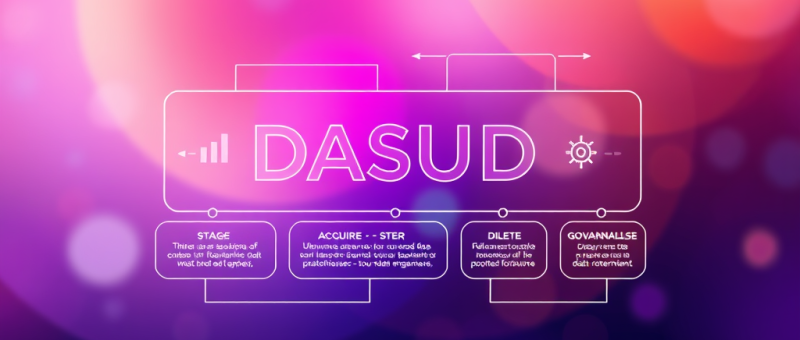
An effective AI governance playbook consolidates diverse resources (risk questions, templates, guidelines) into a practical manual for team use. It should focus on modularity, minimal detail, and ease of access, structured around the DASUD framework. Continuous updates and ownership are essential for relevance and utility in AI projects.
Tag: technology
Designing Training and Change Programs for Advanced AI Governance
Effective AI governance requires role-based training that aligns with specific responsibilities. By using the DASUD framework, organisations can tailor content for frontline users, builders, owners, and executives, ensuring practical, scenario-based learning. Continuous support and updates are essential to keep training relevant, fostering ongoing engagement and effective decision-making around AI tools.
Plugging GenAI and Agents Into Your Existing Governance, Not Bolting Them On
Organisations often err by treating AI governance separately from their existing frameworks, leading to confusion and inefficiency. Instead, they should incorporate AI into current governance structures, expanding their scope and utilising existing processes. By aligning AI oversight with established practices, organisations can streamline governance without unnecessary duplication.
Aligning DASUD With AI Regulations and Frameworks
As AI regulations develop, effective lifecycle mapping to frameworks is essential. By utilising the DASUD approach, organisations can demonstrate compliance with risk management, data governance, and oversight expectations. Each DASUD stage, from design to deletion, aligns with regulatory requirements, making AI governance clearer and more defensible, ultimately gaining stakeholder support.
DASUD on a Loop: Governing Continuous‑Learning Agents and Feedback
Governance of continuous-learning agents requires a structured approach using the DASUD framework. This involves defining allowed learning types, acquiring and validating feedback, maintaining version control, deploying changes cautiously, and ensuring mechanisms for rollback when needed. Establishing clear boundaries and monitoring is vital to prevent harmful insights from influencing system behaviour.