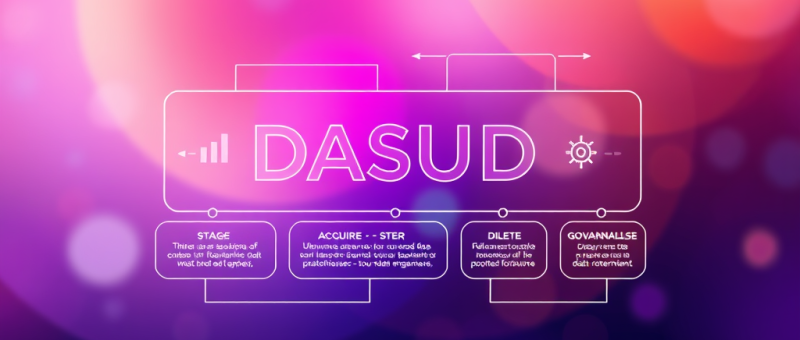
As AI regulations develop, effective lifecycle mapping to frameworks is essential. By utilising the DASUD approach, organisations can demonstrate compliance with risk management, data governance, and oversight expectations. Each DASUD stage, from design to deletion, aligns with regulatory requirements, making AI governance clearer and more defensible, ultimately gaining stakeholder support.
Tag: Learning
DASUD on a Loop: Governing Continuous‑Learning Agents and Feedback
Governance of continuous-learning agents requires a structured approach using the DASUD framework. This involves defining allowed learning types, acquiring and validating feedback, maintaining version control, deploying changes cautiously, and ensuring mechanisms for rollback when needed. Establishing clear boundaries and monitoring is vital to prevent harmful insights from influencing system behaviour.
Human‑in‑the‑Loop, Human‑on‑the‑Loop: Choosing the Right Oversight Model
Effective AI governance hinges on explicit oversight modes, including Human-in-the-loop (HITL), Human-on-the-loop (HOTL), and automated systems. Each mode serves distinct use cases based on impact level. Proper documentation, data acquisition, and structured workflows are essential to ensure accountability and transparency, moving beyond vague assurances of human involvement.
When Knowledge Changes: Deleting and Updating Content in RAG Systems
RAG systems rely on up-to-date content for accurate responses. Regular content updates, deletions, and re-indexing are crucial to avoid referencing obsolete information. Governance requires managing personal data removal and sensitive content. Effective archiving and versioning support knowledge management, ensuring the assistant reflects current information and policy changes.
Who Can Ask What: Governing RAG Queries and Answers
The governance of Retrieval-Augmented Generation (RAG) assistants focuses on access control and risk management during the "Use" stage. Key risks include access leakage, over-general answers, adversarial queries, and misleading confidence. Implementing role-aware retrieval, constraining query types, ensuring transparency in answers, and monitoring usage patterns are essential for effective governance.