Data quality is crucial for effective decision-making, operational efficiency, and regulatory compliance. It encompasses attributes like accuracy, completeness, consistency, and timeliness. Establishing a data quality framework involves defining goals, conducting inventory, implementing tools, and continuous monitoring. Regular auditing ensures sustained quality, helping organisations turn data quality into a strategic advantage.
Category: Data Management
Scaling Data Governance: Adapting Your Framework as Your Business Grows
As businesses expand, effective data governance must evolve to address new challenges. Key strategies include establishing a solid foundation, anticipating growth needs, automating processes, expanding tools, introducing metrics, maintaining clear data ownership, and regularly reviewing the governance framework. These actions ensure data integrity, security, and compliance as organisations grow.
From Chaos to Control: Streamlining Your Data Governance Processes
Streamlining data governance involves defining roles, automating tasks, implementing a centralised framework, prioritizing data quality, utilising recognised frameworks, and conducting regular audits. This approach enhances efficiency, compliance, and data quality while fostering collaboration among stakeholders. Continuous improvement is key to adapting governance processes to emerging needs and challenges.
How To Use DASUD: A Medical Research Data Governance Framework Implementation Case Study
The DASUD Framework aims to launch customised Data Governance within six months, and this post outlines how it was completed in a medical research setting. It outlines various research types and their regulatory considerations, emphasising compliance, collaboration, and research impact. Implementing effective data management practices, including design, acquisition, storage, usage, and deletion, is essential for long-term governance success.
The DASUD Framework
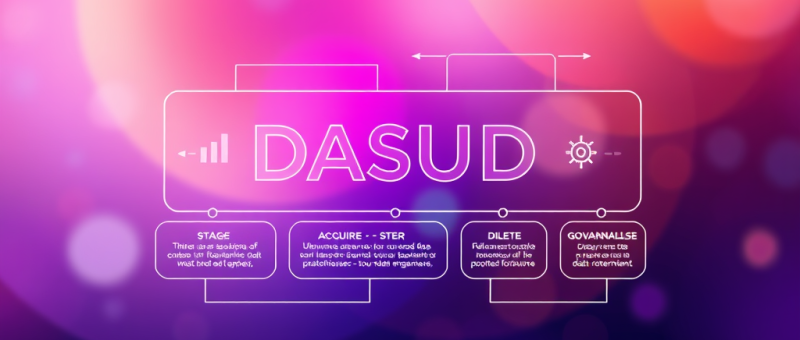
The DASUD framework, developed by Nigel D'Souza, accelerates Data Governance implementation within 6 months by contextualising organisational needs. It focuses on designing data strategies through five key questions: Design, Acquire, Store, Use, and Delete. Prior prerequisites include defining roles, classification, approval processes, prioritising issues, and fostering a change-ready culture.