This content discusses the integration of AI into the DASUD framework, emphasising the importance of defining problems and capturing AI use cases effectively. It outlines a structured intake process and a tiered approval workflow to streamline AI implementation while ensuring governance. The goal is to create organisational learning and maximise return on AI investments.
Category: DASUD
How to Define Your AI Governance Value Proposition as a Data Governance Expert
Data governance experts often struggle to assert themselves in AI governance roles, viewed primarily as data specialists. By reframing their existing skills - such as data lineage and compliance - into relevant AI governance language, they can articulate their value. Clear positioning statements can help them demonstrate their ability to lead AI initiatives confidently.
DASUD for Advanced AI: What We Built in 30 Days and What Comes Next
The series outlined how the DASUD lifecycle model effectively addresses advanced AI governance, covering aspects from design to deletion. It emphasises practical tools, templates, and oversight models essential for managing AI projects. The framework encourages continuous refinement and community sharing to adapt to evolving AI dynamics, positioning users as active contributors to governance strategies.
From Data Governance Pro to Advanced AI Governance Architect
To effectively lead in advanced AI governance, professionals should clarify their role, translate their DASUD achievements into concise statements, and update their internal and external narratives. This includes enhancing profiles, sharing expertise through playbooks, and engaging in strategic initiatives to showcase their contributions and readiness for future opportunities.
Measuring What Matters to Executives: A Simple Advanced AI Governance Dashboard
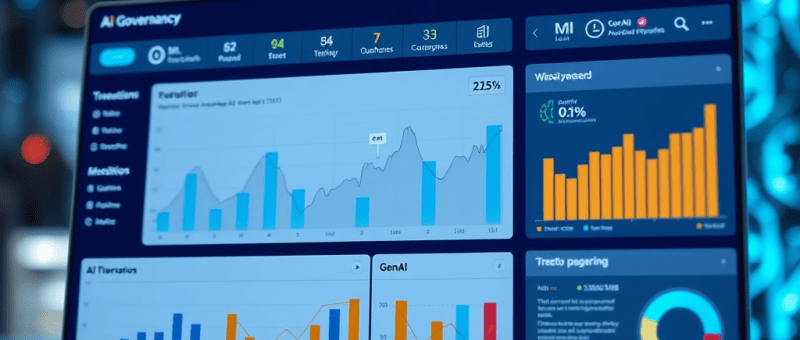
Effective AI governance requires a concise executive dashboard that highlights key metrics across five stages: Design, Acquire, Store, Use, and Delete. Focus on brevity, clarity, and actionable insights, ensuring leaders can assess AI oversight, risk, and control. This approach fosters informed decision-making and progress tracking in AI management.