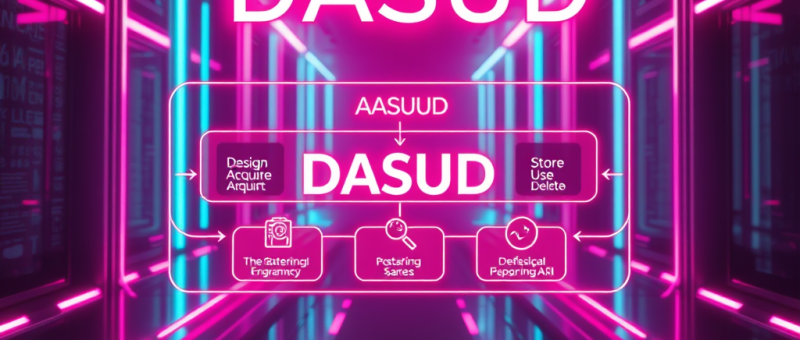
DASUD for Advanced AI: What We Built in 30 Days and What Comes Next

The series outlined how the DASUD lifecycle model effectively addresses advanced AI governance, covering aspects from design to deletion. It emphasises practical tools, templates, and oversight models essential for managing AI projects. The framework encourages continuous refinement and community sharing to adapt to evolving AI dynamics, positioning users as active contributors to governance strategies.

From Data Governance Pro to Advanced AI Governance Architect

To effectively lead in advanced AI governance, professionals should clarify their role, translate their DASUD achievements into concise statements, and update their internal and external narratives. This includes enhancing profiles, sharing expertise through playbooks, and engaging in strategic initiatives to showcase their contributions and readiness for future opportunities.

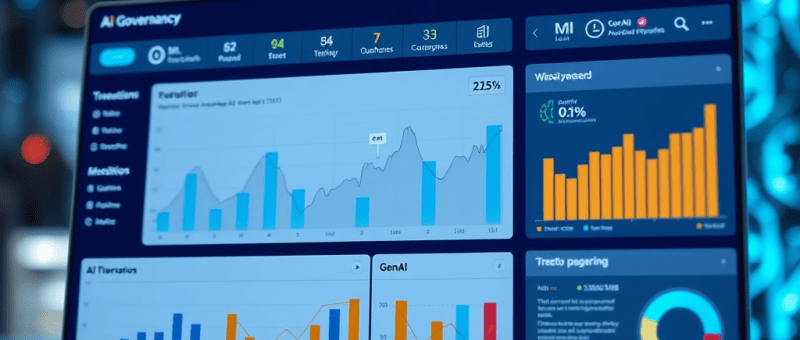
Measuring What Matters to Executives: A Simple Advanced AI Governance Dashboard

Effective AI governance requires a concise executive dashboard that highlights key metrics across five stages: Design, Acquire, Store, Use, and Delete. Focus on brevity, clarity, and actionable insights, ensuring leaders can assess AI oversight, risk, and control. This approach fosters informed decision-making and progress tracking in AI management.

How to Explain DASUD for Advanced AI to Executives and Boards

When discussing AI with executives, focus on three core questions: its uses, risks, and governance. Utilise the DASUD framework to outline AI lifecycle management, connecting strategic outcomes and risk exposure with tangible examples. Conclude with specific requests for endorsement, support, and guidelines to foster responsible AI deployment.

A Day in the Life of DASUD: Governing a GenAI + Agent Use Case End‑to‑End

This content outlines the implementation of an IT Support Copilot in an organisation using a GenAI and agent system. It details governance through DASUD, covering design, acquisition, storage, usage, and eventual retirement of the system. Key aspects include oversight patterns, content management, and ensuring user safety while updating knowledge bases.