 Written by
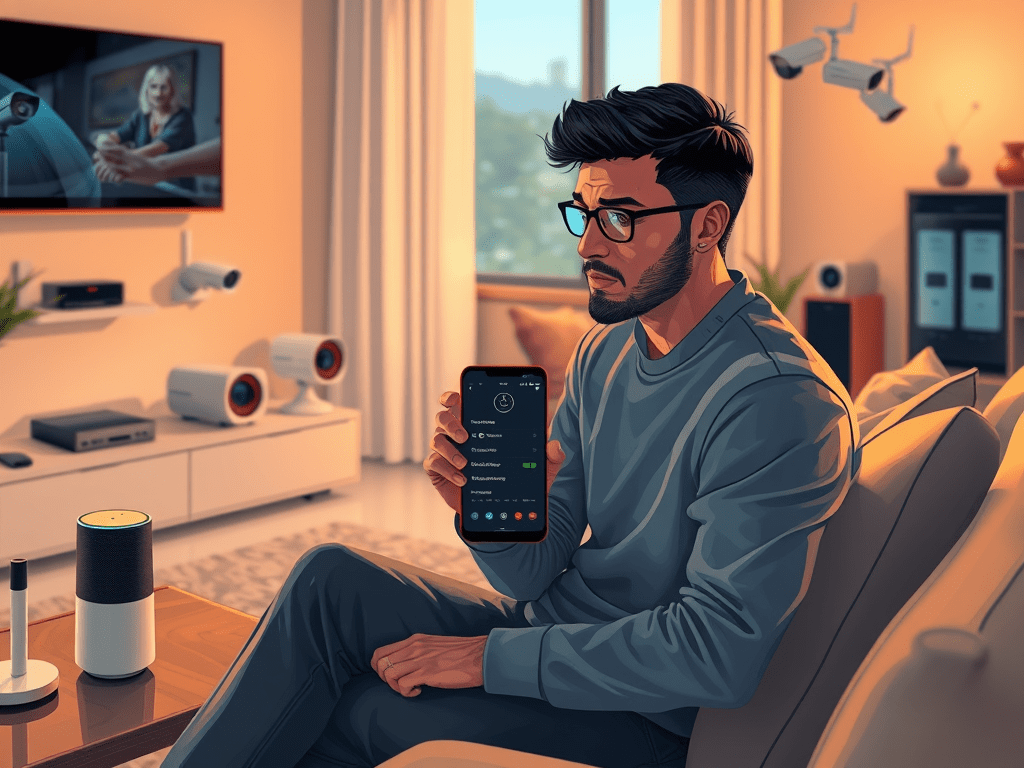
 In an era where convenience is king, smart devices have seamlessly integrated into our daily lives. From voice assistants and smart TVs to security cameras and fitness trackers, these gadgets promise to make life easier. But behind their sleek exteriors lies a growing concern: are these devices secretly spying on us?
Understanding Smart Device Surveillance
Most smart devices collect data to function optimally. However, many consumers are unaware of the extent of this data collection. Common sources of information gathering include:
- Microphones and Voice Assistants: Devices like Amazon Echo, Google Home, and Apple’s Siri continuously listen for wake words, but reports suggest they may record more than intended.
- Cameras and Motion Sensors: Smart security cameras and even some TVs can capture footage, sometimes storing it on cloud servers with questionable security protocols.
- Data-Sharing Practices: Many smart device manufacturers collect and share user data with third parties, often for targeted advertising or analytics.
The latest concern (as at February 2025), your cars tracking you. Here are 2 videos that you need to consider:
How you can fix it… in case you have one right now!
Privacy Risks of Smart Devices
1. Eavesdropping Concerns
Voice assistants have been found recording conversations accidentally, storing audio data that can be accessed by company employees or even hackers. This raises serious concerns about whether private discussions are truly private.
2. Data Breaches and Hacking
As smart devices are connected to the internet, they become vulnerable to cyberattacks. Hackers can exploit weak security measures to gain access to your home network, steal personal data, or even control devices remotely.
3. Behavioural Tracking
Your smart TV knows what shows you watch, your fitness tracker monitors your heart rate and activity levels, and your smart thermostat records your temperature preferences. This data is often monetised and shared with advertisers, raising ethical concerns about digital surveillance.
4. Lack of User Transparency
Many manufacturers do not clearly disclose what data is being collected, how it’s used, or who has access to it. Often, privacy policies are lengthy and filled with legal jargon, making it difficult for users to fully understand the implications.
How to Protect Your Privacy
1. Review Privacy Settings
Most smart devices allow you to adjust privacy settings. Disable unnecessary data collection, such as voice recordings or location tracking, and opt out of data-sharing agreements where possible.
2. Secure Your Devices
Use strong, unique passwords for each device and enable two-factor authentication (2FA) when available. Regularly update firmware to patch security vulnerabilities.
3. Use a Separate Network for Smart Devices
Setting up a dedicated Wi-Fi network for your smart gadgets can prevent cybercriminals from gaining access to sensitive personal data on your main devices, such as laptops and smartphones.
4. Turn Off Microphones and Cameras
When not in use, physically disable cameras and microphones. Some devices have built-in privacy switches, while others may require external covers or software configurations.
5. Read Privacy Policies Carefully
Before purchasing a smart device, review the manufacturer’s privacy policy. Look for transparency regarding data collection, storage, and sharing practices.
6. Limit Third-Party Integrations
Many smart devices connect with other apps and services, increasing exposure to data leaks. Disable unnecessary integrations and restrict access permissions to only what is essential..
7. Use A Virtual Private Network (VPN)
A VPN can help mask your movements on the net. There are many that you can use, and I have chosen Nord. If you’d like to sign up, please use my referral link here. No pressure to do so – please do your own due diligence to find the product/service that supports you the best.
The Role of Legislation and Regulation
Governments worldwide are beginning to address privacy concerns related to smart devices. The European Union’s General Data Protection Regulation (GDPR) and the California Consumer Privacy Act (CCPA) provide users with more control over their data. However, enforcement remains a challenge, and loopholes still exist.
Consumer advocacy groups continue to push for more stringent regulations, including mandatory transparency reports and greater user control over data.
What Can You Do?
While smart devices bring undeniable convenience, they also introduce significant privacy risks. Users must remain vigilant, take proactive steps to secure their data, and advocate for stronger privacy protections. By being aware of potential surveillance threats and implementing robust security measures, you can enjoy the benefits of smart technology without sacrificing your privacy.
These blog posts are part of my ongoing effort to improve the world in the dawning of AI for the everyday people. I will have a series of privacy posts including pointing to some of the sources I rely on – so you can follow the experts in that domain.
If you’d like assistance or advice with your Data Governance implementation, or any other topic (Privacy, Cybersecurity, Ethics, AI and Product Management) please feel free to drop me an email here and I will endeavour to get back to you as soon as possible. Alternatively, you can reach out to me on LinkedIn and I will get back to you within the same day!
 Nigel D'Souza